 TheAltWorld
 What Next After the US Strike on Iran’s Nuclear Infrastructure?
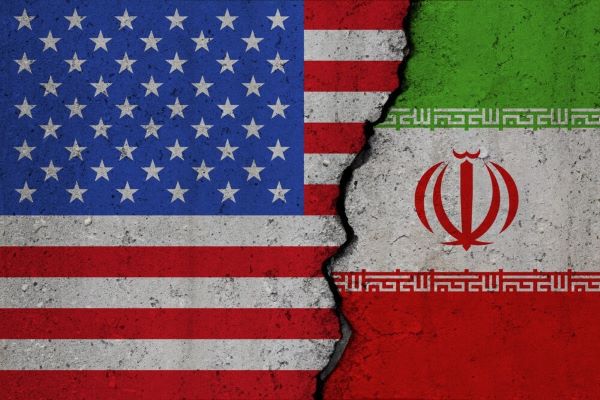
Iran and Israel have entered a fragile ceasefire, ending 12 days of conflict triggered by a surprise Israeli attack targeting Iranian nuclear and ballistic missile infrastructure, as well as high-level leadership figures. The ceasefire was announced in the immediate aftermath of a tit-for-tat exchange of attacks between the US and Iran, actions that represented the tail end of Israel and Iran’s own direct strikes. A formal state of war was never declared by either Iran, Israel or the US. But the conflict saw Israel and the US cross long-established red lines regarding attacks on Iranian nuclear infrastructure that risked propelling the entire Middle East into a zone of conflict, with the potential to escalate into a crisis of global proportions. However, the push to the brink and the resulting ceasefire may yet provide an opportunity for a grand bargain between the warring parties, which could bring about the elusive peace the region has long sought.
For more than two decades, the US and Israel have threatened military action against Iran’s nuclear infrastructure, citing its potential to further a nuclear weapons program. In 2006, the US began contingency planning for such an attack, but a 2007 US national intelligence estimate found that Iran was not actively pursuing weaponization, undermining support for a military option. In 2014, the US again considered action amid enrichment concerns, but this was averted through the 2015 Joint Comprehensive Plan of Action (JCPOA), which sought to ensure Iran’s nuclear program remained peaceful. US President Donald Trump’s unilateral withdrawal from the JCPOA in 2018, combined with Europe’s failure to uphold key economic commitments amid the risk of exposure to US secondary sanctions, led to Iran gradually backing out of the stringent restrictions on its enrichment program. By 2024, Iran had accumulated sufficient enriched material and enrichment capability to be considered a threshold nuclear weapons power. Despite no confirmed evidence that Iran had decided to build a bomb, on the night of Jun. 13, Israel launched a surprise attack, hitting nuclear facilities and command centers. Israel then launched daily follow-up strikes on military and industrial targets. On Jun. 21, the US joined the campaign, striking Iran’s nuclear facilities at Fordow, Natanz and Isfahan using bunker-buster bombs and cruise missiles.
Blowback
The two-decade taboo on bombing Iran’s nuclear facilities has now been broken. Several factors had sustained this taboo: doubts that airstrikes could eliminate Iran’s program, fears of retaliation and concerns about undermining global non-proliferation norms. International legal considerations do not appear to have meaningfully constrained decision-making by either Israel or the US.
As it stands, neither Israeli nor US strikes have succeeded in fully neutralizing Iran’s nuclear potential. Israeli claims that the attacks delayed Iran’s hypothetical nuclear weapon capability by two to three years lack independently verifiable evidence. Conversely, Mehdi Mohammadi, an adviser to the chairman of the Iranian parliament, claims Iran had preemptively evacuated Fordow before the US strike. If true, these claims cast doubt on the military effectiveness of the operation.
Iran retaliated against Israel immediately after the Israeli strikes. It has reportedly launched over 20 waves of attacks, involving missiles and drones, some of which penetrated Israeli and US air defenses to hit strategic targets. The extent of the damage remains unclear, but Israeli media suggest the scale of Iran’s ballistic missile capacity was underestimated.
Iran had previously warned that any attack on its nuclear sites would trigger retaliation against US bases. Within 48 hours of the US strike, it launched a limited salvo of 14 missiles at the US’ Al-Udeid Air Base in Qatar, suggesting a deliberate attempt to calibrate escalation. US Secretary of Defense Pete Hegseth told reporters Monday that the scope of the US strike “was intentionally limited.” Iran’s response appears similarly restrained, likely intended to signal resolve without provoking full-scale war.
Diplomatic Offramp
After more than a week of violence, all parties seem positioned to consider a diplomatic resolution to the crisis. However, negotiations face serious obstacles. The US has expressed interest in direct talks, but these have been complicated by suspicions that earlier negotiations in Oman were used to lull Iran into complacency — and may have been used as a strategic distraction. This suggests there’s no chance of direct US-Iranian talks at this stage. However, on Tuesday, Reuters reported Trump’s Middle East Envoy Steve Witkoff as saying that indirect talks between the US and Iran were “promising” and that Washington was hopeful for a long-term peace deal.
The so-called E3 (France, Germany and the UK) were also engaged in talks with Iran prior to the attacks, compromising their neutrality. Their post-strike alignment with US and Israeli demands for zero enrichment has been firmly rejected by Iran.
A Grand Bargain?
If the tentative Israeli-Iranian ceasefire agreement holds, there remains the task of formalizing a cessation to hostilities that resolves the very issue that ostensibly triggered this conflict to begin with — Iran’s nuclear program. The wild card is the US: Trump continues to demand zero enrichment and has floated regime change as a solution, although his restraint in the face of Iran’s retaliation suggests a willingness to compromise. A grand bargain — trading limits on enrichment for sanctions relief and security guarantees — may be possible. Still, the situation remains volatile. The risk of renewed escalation persists.
https://www.energyintel.com/00000197-a787-ddb0-a797-efff0b620000

0 thoughts on “What Next After the US Strike on Iran’s Nuclear Infrastructure?”