 TheAltWorld
 Yes.. They don’t understand Iranian war lingo
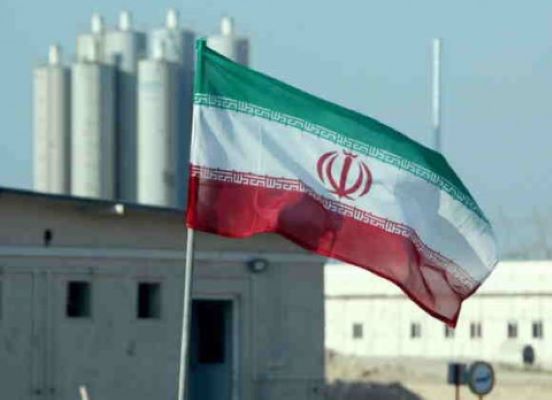
What startling steps were disclosed in the first six days of the aggression that will decide the war?
They truly lack understanding of Iran, including Israelis, Americans, and some Arab leaders who have refused to condemn the war against it. As a result, the attack has entered its sixth day without overthrowing the regime or sending the new interim leadership racing to the nearest negotiation table to sign a capitulation letter.
To understand the war’s trajectory, the combat operations in the field, and the initial outlines of future results, we must pause to consider these significant changes on the battlefields:
• The first: For the first time, Iranian missiles were downed by a more modern and advanced American fighter jet, the “F-15,” in the western part of the country, implying that the Iranian military leadership may have developed new missiles capable of achieving this feat, obtained them from their Chinese and Russian allies, or both, particularly the Russian missile in its “S-400” and “S-500” variants.
• The second: the return of Hezbollah’s ballistic missiles to the field and their first targeting of Israeli depths in Tel Aviv and Haifa after a 15-month hiatus, as well as the restoration of their military equipment, which was devastated during the Israeli onslaught. This means that there will be no haven in the Zionist entity.
• The third: Sheikh Naim Qassem, the Secretary-General of Hezbollah, delivered a fiery speech yesterday that included strong phrases in an unprecedented tone, the most notable of which was his statement, “We will not surrender and will defend our land no matter the sacrifices, despite the imbalance of capabilities, and we will not surrender.”
• Fourth, the Iranian Air Force receives its fastest “kamikaze” drone, the “Hadeed 110,” which has a top speed of 517 km/h. According to estimates from Western military experts, it is more efficient than its sister drone, “Shahed,” which performed well in deep Israeli territory and cost only $35,000 to construct, whereas shooting it down costs $4 million.
• Fifth, each day of resistance by the Iranian army and people costs the occupying state nearly a billion dollars. In contrast, America’s costs reached approximately 160 billion dollars in the first six days. These are preliminary estimates that are sure to escalate, particularly following the bombing of aircraft carriers and the damage to warships; the increase in the number of casualties and injuries; the cost of the largest military mobilisation since the Iraq War; and the rise in oil prices.
• Sixth, the pledge to close the Strait of Hormuz will deal two lethal blows: the first to the Western economy, as oil and gas prices could reach record highs, and the second to Arab countries allied with America that host its military facilities. Closing the Strait would mean their oil and gas exports would not reach global markets, resulting in greater losses and lower oil and gas income, depending on the length and severity of the battle.
The Iranians have sought it since the beginning: an open-ended regional war of attrition that contradicts the new American military philosophy for wars, which is to be short, rapid, and clean (with no American losses). They are committed to bombing anyone who supports the assault in the region, particularly the Arab nations. Sheikh Naim Qassem aptly conveyed this new Iranian thinking when he urged the Israeli army to prepare for several days of war with all available resources.
Defeat, capitulation, and raising white flags have no place in the Iranian military and political language, either individually or collectively. In six days, the Iranian army unleashed 500 hypersonic missiles, multiple warhead cluster munitions, and over 2,000 drones, forcing over 7 million settlers into shelters and tunnels and destroying huge areas of Tel Aviv and Haifa.
The 47-year-long starvation siege, three Israeli-American aggressions in a few years, the incitement of popular protests and the infiltration of spies among the protesters, the mobilisation of aircraft carriers and cruisers, inflation, and the collapse of the national currency all failed to defeat the mighty and steadfast Iranian will or to overthrow or change the regime. Our evidence shows that they perplexed the Americans in negotiations lasting over two years in Vienna and other Arab and European capitals, consistently rejecting all American conditions— from stopping enrichment and handing over 460 kilograms of highly enriched uranium to including the Iranian missile industry or severing ties with resistance factions at the negotiation table.
Yes, they were misled by arrogance, conceit, and haughtiness, and sadly, some Arabs collaborated in refusing to recognise Iran. The most visible consequence of their actions will be the destruction of all Israeli gas infrastructure in the Mediterranean, water and electricity facilities, and the separation of settlers and the military. Following the tragedy at a children’s school in southern Iran, many things changed, including a shift in public sentiment and increased tensions in the region. The days are passing us by.

0 thoughts on “Yes.. They don’t understand Iranian war lingo”