 TheAltWorld
 Why Russia gave Assad humanitarian asylum and not political asylum
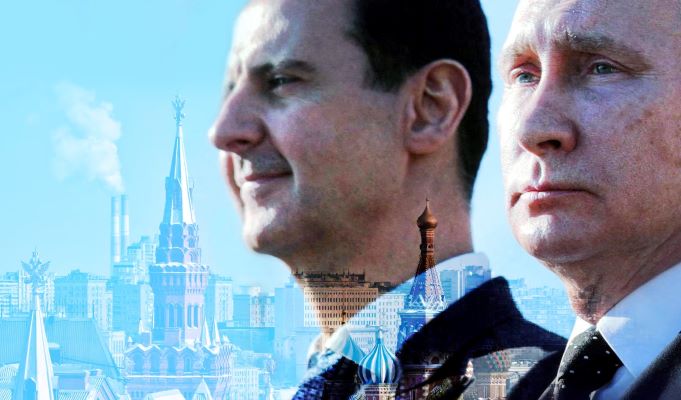
I eventually asked a good friend in Russia about this issue and below is their reply
In my recent conversation with Jamarl Thomas covering the recent Al Qaeda gathering at the Kremlin and the wider Russian role in Syria since the fall of Damascus back in December 2024, I mentioned the humanitarian asylum given to President Assad, rather than political asylum. Since then I reached out to a very good contact in Russia who provided this detailed explanation:
1. Humanitarian asylum vs. political asylum in Russian law
Under Federal Law No. 4528-1 “On Refugees” (1993) and related decrees, Russia distinguishes between several protection statuses:
Type. Legal basis. Who grants it. Duration. Typical grounds.
Political asylum (политическое убежище) Presidential decree The President (via the Ministry of Foreign Affairs & FSB vetting) Indefinite but revocable Granted to individuals persecuted specifically for political activity or opinion, often from states hostile to Russia
Temporary asylum (временное убежище) or Humanitarian asylum Federal Migration Service (now part of the Ministry of Internal Affairs) Administrative decision Usually 1 year, renewable Granted to people fleeing war, natural disasters, or general instability
So, political asylum in Russia is a rare, high-level, symbolic act — think Snowden (2013) — while humanitarian or temporary asylum is a mass administrative mechanism used for refugees and displaced persons.
2. Why “humanitarian” for Assad
There is no formal evidence that Bashar al-Assad ever requested asylum (political or otherwise). However, in hypothetical or media-discussed scenarios:
• Political asylum implies recognition that Assad was overthrown or persecuted by his state — something Russia could never admit without contradicting its position that Assad is the legitimate president.
• Humanitarian protection, on the other hand, carries no such recognition. It would simply reflect personal protection extended for humanitarian reasons (health, safety, etc.), not a political statement.
Thus, if Assad or his family were ever sheltered under Russian jurisdiction (say, in exile), Russia would almost certainly frame it as “humanitarian asylum” to:
1. Avoid undermining Syrian state sovereignty.
2. Avoid legal contradictions with its UN-recognized support for the Syrian government.
3. Retain diplomatic flexibility vis-à-vis other actors in Syria.
3. What about ordinary Syrians in Russia?
Between 2012 and 2020:
• Only a small number were formally recognized as refugees or asylum seekers under Russian law — estimates suggest fewer than 1,000 individuals received official asylum status.
• The vast majority were granted temporary humanitarian asylum (renewed annually), not political asylum.
Reasons:
• Russia maintained that the Syrian government remained legitimate — hence, Syrians fleeing conflict were not persecuted by the state but escaping war.
• Political asylum would require evidence of persecution for political beliefs or activity, which Russian authorities were reluctant to recognize vis-à-vis Damascus.
4. In short
• Humanitarian asylum = protection from war.
• Political asylum = protection from persecution by a regime.
• Since Russia supports Assad’s regime, it couldn’t plausibly give political asylum to its opponents or to Assad himself.
• Syrians in Russia overwhelmingly hold temporary humanitarian status, not political refugee status.
The interview with Jamarl:
https://beeley.substack.com/p/why-russia-gave-assad-humanitarian

Guy St Hilaire
I trust that the Russian authorities have made the proper decision regarding the Assad family .